Achilles Tendon Pain: What You Need to Know
Achilles tendon pain involves irritation, inflammation, or degeneration of the Achilles tendon, the strong band of tissue that connects the calf muscles to the heel bone. This tendon plays a vital role in movements such as walking, running, and jumping. The Achilles tendon handles significant force during everyday movement and sport; it is particularly vulnerable to overload, overuse, and injury. These conditions can develop gradually due to repetitive stress, poor mechanics, or sudden increases in activity levels. With the right diagnosis, rehabilitation, and activity modification, many people can reduce pain, restore tendon function, and safely return to their normal activities. Below is a clear guide to what Achilles tendon pain is, how it develops, what symptoms to watch for, how it’s diagnosed, and the treatment options available.
Why the Achilles Tendon Matters
The Achilles tendon plays several important roles: Movement and propulsion, helping you push off the ground when walking or running
• Force transmission: transferring power from the calf muscles to the foot
• Stability during activity: assisting with balance and ankle control. It absorbs large forces during movements like running or jumping, and it can become irritated or damaged if the load placed on it exceeds its capacity.
How Achilles Tendon Pain Develops
There are several common ways Achilles tendon problems can occur:
Overuse and Repetitive Stress
Repeated activities such as running, jumping, or sudden increases in training intensity can cause small micro-tears in the tendon over time.
Sudden Increase in Activity
Rapid increases in exercise load, intensity, or training frequency can overload the tendon before it has adapted.
Poor Footwear or Training Surfaces
Running on hard surfaces or wearing shoes that lack proper support can increase strain on the Achilles tendon.
Degeneration Over Time
Long-term overuse may cause the tendon fibres to weaken and degenerate, a condition known as tendinosis.
Recognising the Risk Factors
Factors that may increase the likelihood of Achilles tendon pain include:Participation in running or jumping sports
• Sudden increases in exercise or training load
• Tight calf muscles or reduced ankle mobility
• Poor footwear or inadequate support
• Running on hard surfaces
• Previous Achilles tendon injuries
How Achilles Tendon Pain May Present (Symptoms)
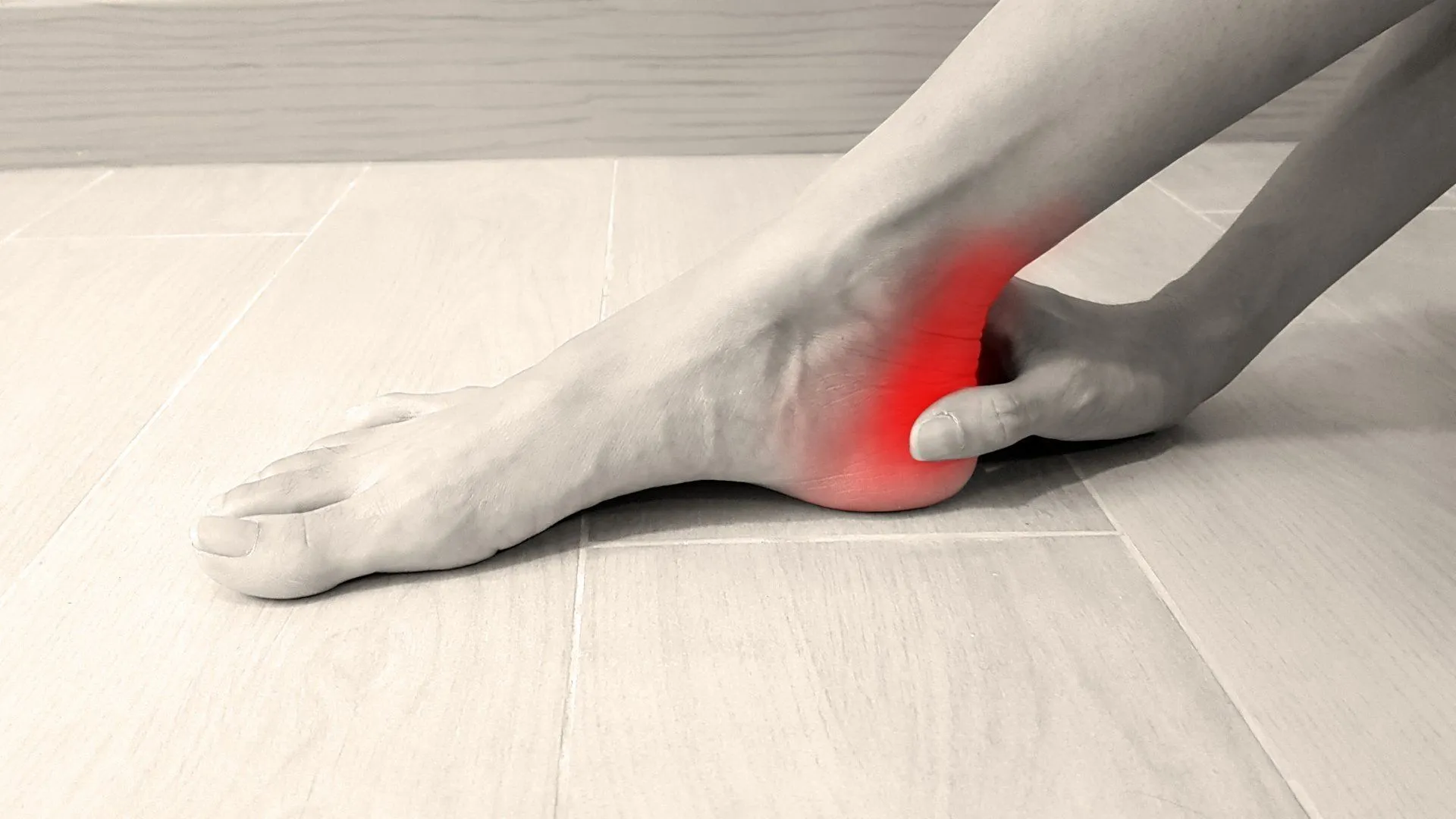
Symptoms can vary depending on the severity of the condition but commonly include:Pain or stiffness in the back of the ankle or heel
• Tenderness along the Achilles tendon
• Swelling or thickening of the tendon
• Stiffness, particularly in the morning or after inactivity
• Pain that worsens with running, jumping, or walking uphill
• Reduced strength or difficulty pushing off the foot
Diagnosing Achilles Tendon Pain
Diagnosis typically includes:
History and Physical Examination
A clinician will assess symptoms, training history, activity levels, and examine the tendon for tenderness, swelling, and reduced ankle movement.
Imaging
• Ultrasound to assess tendon structure and inflammation
• MRI to evaluate more complex tendon injuries
• X-rays in some cases to assess bone involvement. These tests help determine the severity of tendon damage and guide appropriate treatment.
Treatment Options
Non-Surgical (Conservative) Treatment
Most cases of Achilles tendon pain improve with conservative management, including: Relative rest and activity modification
• Ice therapy to reduce pain and inflammation
• Anti-inflammatory medications such as NSAIDs
• Supportive footwear or orthotics to reduce tendon load
• Heel lifts or Achilles straps to decrease strain on the tendon
• Night splints to gently stretch the tendon while sleeping
• Physical therapy focusing on stretching and strengthening exercises. Rehabilitation exercises — particularly controlled strengthening of the calf muscles — help improve tendon capacity and reduce the risk of reinjury.
Advanced or Specialist Treatments
If symptoms persist despite conservative care, additional treatments may include: Extracorporeal shockwave therapy (ESWT) to stimulate tendon healing
• Therapeutic ultrasound or laser therapy
• Injection-based treatments in selected cases
• Temporary bracing or immobilisation to allow healing. These approaches aim to promote tendon repair and reduce ongoing irritation.
Surgical Treatment
Surgery may be considered when Pain persists after several months of conservative care
• Significant tendon degeneration or structural damage is present
• A partial or complete Achilles tendon rupture occurs. Post-surgical rehabilitation is important to restore strength, flexibility, and functional movement.
Protecting Your Achilles Tendon Long Term
To reduce the risk of Achilles tendon problems:Gradually increase training intensity and volume
• Strengthen calf muscles and surrounding structures
• Warm up properly before exercise
• Wear supportive footwear appropriate for your activity
• Avoid sudden changes in training surface or load
• Address early symptoms before they worsen
When to Seek Professional Help
If you experience persistent pain, swelling, or stiffness in the back of your ankle, especially if it worsens during activity, early assessment can help prevent further tendon damage and support faster recovery.📞 Call us at (02) 9817 2005 or Book Online to schedule an appointment and get expert help today.