Understanding Hip Labral Tear: What You Need to Know
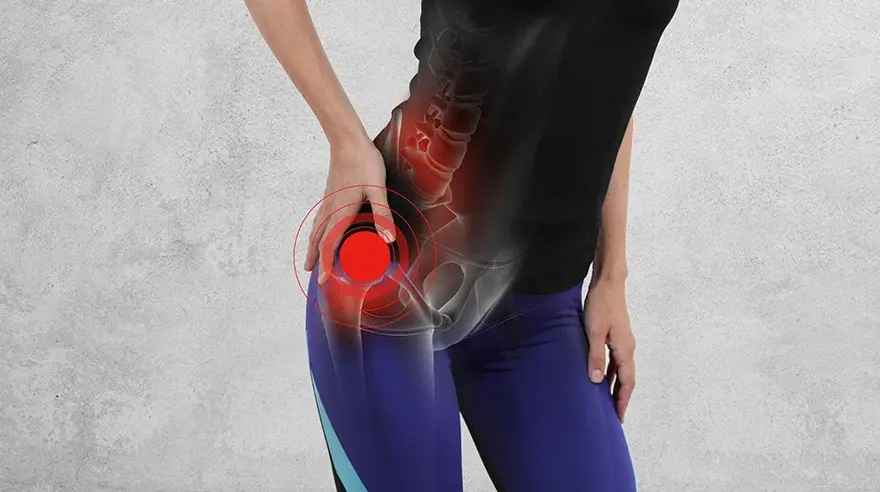
A hip labral tear occurs when the labrum, a ring of cartilage surrounding the hip socket, becomes damaged, frayed, or detached. This injury often develops due to abnormal stresses in the joint, such as bone impingement, instability, trauma, overuse, or gradual wear and tear.
With proper diagnosis, rest, rehabilitation, and attention to risk factors, you can often manage pain, preserve hip function, and minimise long-term joint damage.
Below is a clear guide to what a hip labral tear is, how it happens, what to watch for, how it’s diagnosed, and what treatment and prevention options are available.
Why the Hip Labrum Matters
The labrum is a ring of cartilage that lines the edge of the hip socket. It plays three key roles:
-
Shock absorption: cushioning forces during movement
-
Joint stability: helping the ball of the hip sit securely in its socket
-
Fluid seal: helping the joint retain lubrication for smooth, pain-free motion
When the labrum is torn, these functions are disrupted, which can lead to pain, stiffness, or joint instability.
How a Hip Labral Tear Happens
There are several ways a labral tear can develop:
-
Femoroacetabular Impingement (FAI)
Extra bone or an abnormal bone shape causes the femur and hip socket to rub improperly, stressing the labrum.
-
Hip Dysplasia
A shallow socket can make the joint unstable, placing additional strain on the labrum.
-
Trauma
Either repetitive twisting and pivoting or a single event, such as a fall or accident, can cause a tear.
-
Capsular Laxity or Hypermobility
When the hip joint is naturally looser, it can move excessively, stretching the labrum over time.
-
Age-Related Degeneration
Every day wear and tear or early arthritis can gradually weaken the labrum.
Recognising the Risk Factors
Certain factors increase the likelihood of a hip labral tear:
-
Existing hip conditions, especially FAI
-
High-demand sports such as soccer, golf, ballet, or hockey
-
Contact or twisting sports
-
Structural issues such as hip dysplasia
-
Being female and physically active
-
Poor hip strength or flexibility
-
Naturally loose ligaments or joint hypermobility
Helpful prevention ideas include warming up properly, maintaining a healthy weight, using good posture, and avoiding excessive twisting or deep pivoting motions without proper technique.
How a Hip Labral Tear May Present (Symptoms)
Symptoms can vary widely, but common signs include:
-
Deep groin or hip pain, especially during walking, standing, or sport
-
Clicking, locking, or catching sensations inside the hip
-
Stiffness or reduced movement in the hip
-
Pain that may radiate into the buttock, thigh, or knee
-
Occasional sense of the hip “giving way”
-
In some cases, minimal or no symptoms until the problem worsens
Diagnosing a Hip Labral Tear
Diagnosis typically includes:
1. History and Physical Examination
Your clinician will ask about your symptoms, how they began, your activity levels, and any past injuries. They will also move your hip through specific motions to check for pain, stiffness, or instability.
2. Imaging
-
X-rays may be used to examine bone shape, joint alignment, or signs of impingement.
-
MRI or MR Arthrogram is often used to visualise the labrum and identify tears or irritation.
Treatment Options
Non-Surgical (Conservative) Treatment
Most cases begin with non-surgical care aimed at reducing pain and improving hip function:
-
Rest and avoiding activities that aggravate symptoms
-
Physiotherapy focused on hip stability, strength, flexibility, and posture
-
Improving biomechanics and reducing excessive twisting or pivoting
-
Weight management to reduce stress on the hip joint
Surgical Treatment
If symptoms persist or structural issues are significant, surgery may be considered:
-
Labral repair to restore the torn cartilage
-
Debridement to trim damaged portions of the labrum
-
Bone reshaping to correct impingement or structural problems
Recovery generally includes a period of limited weight-bearing followed by structured rehabilitation.
Protecting Your Hip Long-Term
To minimise the risk of a hip labral tear or re-injury:
-
Warm up and cool down before physical activity
-
Strengthen the glutes, hip stabilisers, and core
-
Improve flexibility safely without forcing painful ranges
-
Use proper technique during sports involving twisting or pivoting
-
Maintain a healthy body weight
-
Pay attention to early signs — pain, catching, or stiffness — and seek help early