Stem Cell Therapy for Sports Injuries: What You Need to Know
Stem cell therapy is a form of regenerative medicine used to help repair and regenerate damaged tissues such as tendons, ligaments, muscles, and cartilage. It involves using specialised cells that have the ability to develop into different types of tissue, supporting the body’s natural healing processes.
Because many sports injuries involve tissues with limited blood supply, healing can be slow or incomplete. Stem cell therapy aims to enhance recovery, particularly in cases where traditional treatments have not been fully effective. With proper assessment and guidance, it may be used as part of a broader treatment plan. Below is a clear guide to what stem cell therapy is, how it works, when it may be used, and important considerations.
Why Tissue Healing Matters
Healthy tissue function is essential for:
• Movement efficiency: allowing smooth and coordinated motion
• Load tolerance: enabling tissues to handle physical stress
• Injury recovery: repairing damage after strain or trauma
When tissue healing is delayed or incomplete, it can lead to ongoing pain, reduced performance, and increased risk of re-injury.
How Stem Cell Therapy Works
Stem cell therapy supports healing through several key mechanisms:
Cell Regeneration
Stem cells have the ability to develop into specialised cells such as tendon, cartilage, or muscle cells, helping repair damaged tissue.
Healing Stimulation
They may release growth factors and proteins that stimulate the body’s natural repair response.
Inflammation Modulation
Stem cells can help regulate inflammation, which may reduce pain and support recovery.
Tissue Support
They may assist in slowing tissue degeneration and improving overall tissue quality.
How Stem Cell Therapy Is Performed
There are several steps involved in the procedure:
Harvesting the Cells
Stem cells are typically taken from the patient’s own body (autologous source), commonly from:
• Bone marrow
• Adipose (fat) tissue
• Blood
Processing the Cells
The collected sample is prepared and concentrated to isolate the stem cells.
Delivery to the Injury Site
Stem cells are then introduced into the injured area through:
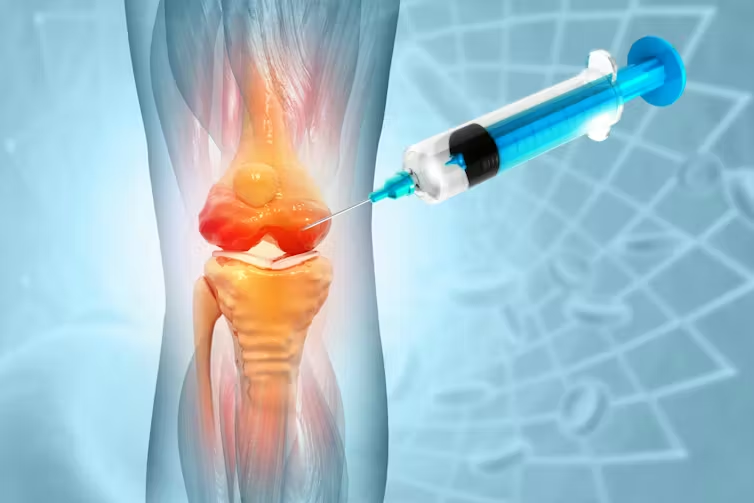
• Targeted injections (most common)
• Surgical application (in some cases)
Imaging, such as ultrasound, may be used to guide accurate placement.
Conditions That May Be Treated
Stem cell therapy may be considered for a range of musculoskeletal conditions, including:
• Tendon injuries (tendinopathy)
• Ligament injuries
• Muscle strains or tears
• Cartilage damage or joint degeneration
These conditions may result from acute injury or long-term overuse.
Recognising When It May Be Considered
Stem cell therapy is typically considered when:
• Symptoms persist despite conservative treatment
• Healing has been slow or incomplete
• Chronic tissue damage is present
• Surgery is being considered or avoided
Suitability varies depending on the individual and condition.
How Symptoms May Present
People considering this treatment often experience:
• Persistent pain despite rest or rehabilitation
• Reduced strength or function
• Ongoing inflammation or irritation
• Difficulty returning to sport or activity
• Recurrent or chronic injury symptoms
These issues may indicate that the tissue has not fully healed.
Diagnosing the Condition
Before considering stem cell therapy, a proper diagnosis is essential:
History and Physical Examination
A clinician will assess symptoms, injury history, and functional limitations.
Imaging
• Ultrasound to assess soft tissue damage
• MRI for detailed evaluation of tendons, ligaments, or cartilage
• X-rays if joint or structural issues are suspected
This ensures the correct condition is being treated.
Treatment Options
Non-Surgical (Conservative) Treatment
Most injuries are initially managed with:
• Activity modification and relative rest
• Physiotherapy and rehabilitation
• Strengthening and load management
• Anti-inflammatory strategies
• Manual therapy or dry needling
These approaches remain the first line of care.
Advanced or Specialist Treatments
If symptoms persist, additional options may include:
• Stem cell therapy
• Platelet-rich plasma (PRP) injections
• Shockwave therapy
• Other regenerative medicine approaches
These are typically used alongside rehabilitation.
Surgical Treatment
Surgery may be considered when:
• Conservative and regenerative treatments have failed
• Significant structural damage is present
• Function is severely limited
Post-surgical rehabilitation is essential for recovery.
Important Considerations
• Stem cell therapy is still an emerging treatment
• Evidence is evolving, and outcomes may vary
• It is not always covered by insurance
• Treatment protocols can differ between providers
• It is often combined with rehabilitation for the best results
Protecting Your Body Long Term
To support tissue health and reduce injury risk:
• Gradually increase activity and training loads
• Maintain strength and conditioning
• Address injuries early
• Follow proper rehabilitation programs
• Optimise movement technique and biomechanics
When to Seek Professional Help
If you are dealing with persistent pain, slow recovery, or recurring injuries, an assessment can help determine whether further treatment options, including regenerative therapies, may be appropriate.
📞 Call us at (02) 9817 2005 or book online to get expert care and start your recovery today.